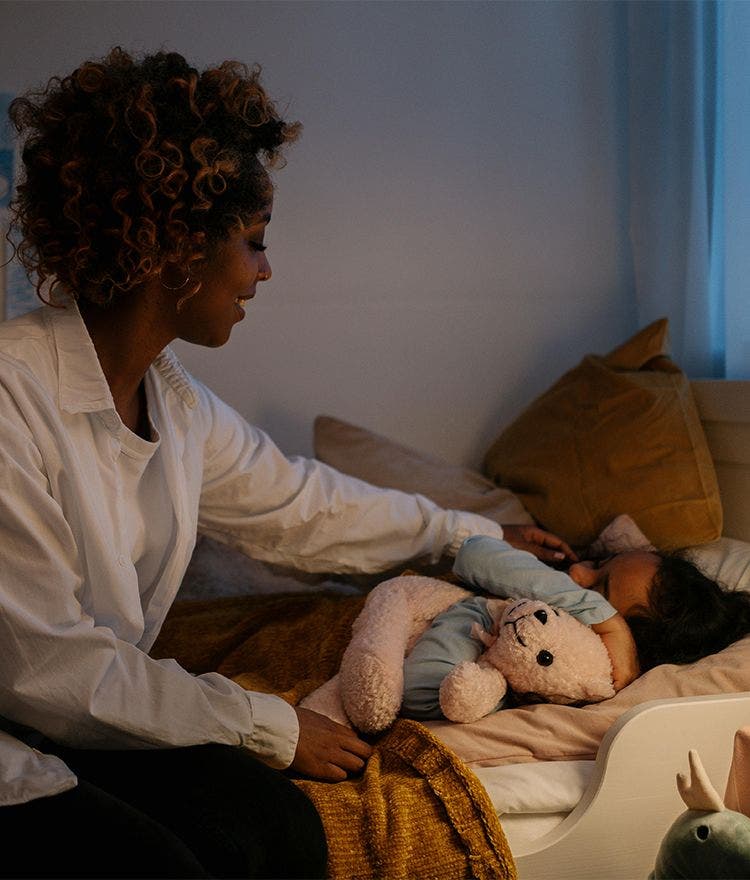

When Do Babies Drop to One Nap? Your Nap-Transition Guide
Find out when babies typically drop to one nap, the signs your toddler is ready, and how to make the two-to-one nap transition smoother for everyone.
Baby sleep safety tips? Sustainable parenting advice? Non-toxic living hacks? Our blog is here to ensure your little one’s dreams are as safe and healthy as they are sweet.
Find out when babies typically drop to one nap, the signs your toddler is ready, and how to make the two-to-one nap transition smoother for everyone.
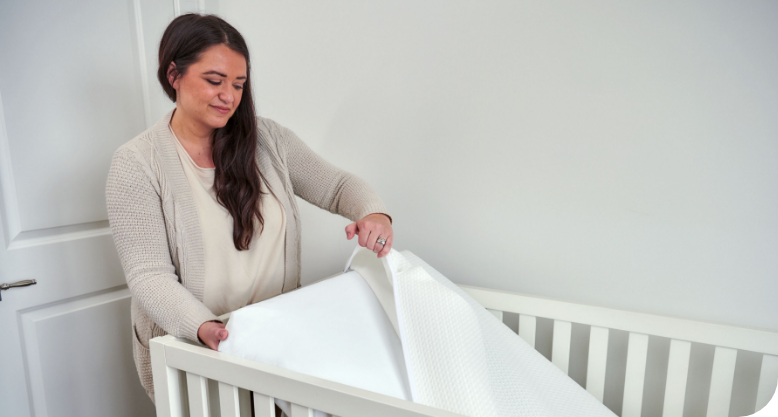
See the standard crib mattress size, how the two-finger rule works, and how to confirm a snug, safe fit for your baby's crib.
See typical wake windows by age from newborn through toddlerhood, plus a simple baby wake window chart and tips for following sleepy cues.
Can you take melatonin while breastfeeding? Read safety concerns, how melatonin affects breast milk & how to support postpartum sleep without supplements.
Wondering how much sleep kids need? Learn recommended sleep ranges by age, signs of sleep deprivation and tips to help your child rest better at every stage.
At Lullaby Earth, we believe that latex (even natural latex!) and other common allergens do not belong in your little one's mattress. Read more.
This guide will help you focus your nesting energy where it matters most, from setting up a safer sleep space to getting your home ready for life with a newborn.
World Sleep Day is the perfect time for parents to help kids build better sleep habits. Learn why sleep is essential & get expert-backed tips for healthier rest.
Are phthalates banned in baby products? Learn what U.S. regulations cover, where gaps exist and how to choose safer options with confidence.
Mattress accidents are just part of life with little ones. Let's talk about what you're actually up against, and how to clean your crib or kids' mattress with ease.
Wondering how to set up a nursery? Start with the crib. These are the best & worst spots to place a crib in your nursery to enhance your baby's sleep quality.
Asking for help postpartum may feel like a sign that you’re failing, but it’s actually a healthy, proactive step that protects your recovery and your new baby.